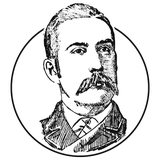


Here’s a crazy one. On May 19, 1945, the Navy brought a Japan-bound German submarine and its prisoners to the Navy Yard in Kittery, Maine. Among the captives was a Luftwaffe general.
Two more men had started the voyage but never made it. The two Japanese officers riding with the U-boat had killed themselves after learning the boat would surrender, and they were buried at sea.
The boat was U-234, and the scene on the pier that day was something else. You had Marines with submachine guns, a commandant sneering at the crew’s grooming, and a Coast Guard lieutenant from Maine telling the German skipper exactly what he thought of him.
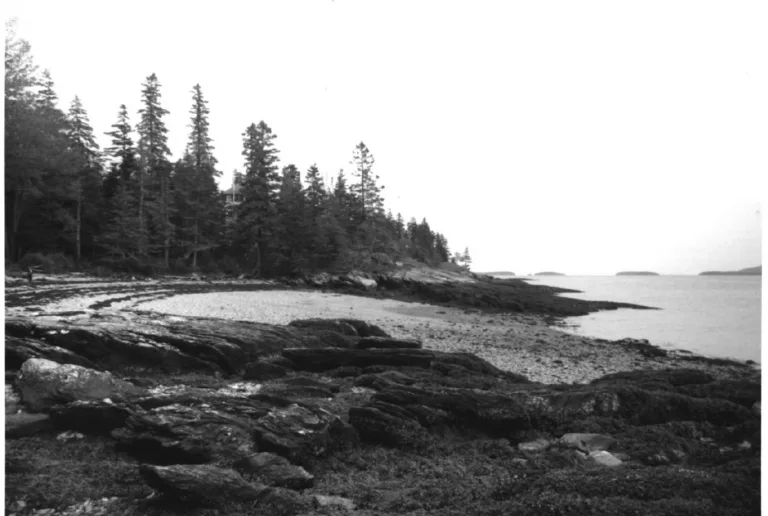
One thing first, because the old wire stories can confuse you: they put all this in Portsmouth, N.H. But the Portsmouth Naval Shipyard sits on Seavey Island at the mouth of the Piscataqua River, in the town of Kittery, Maine.
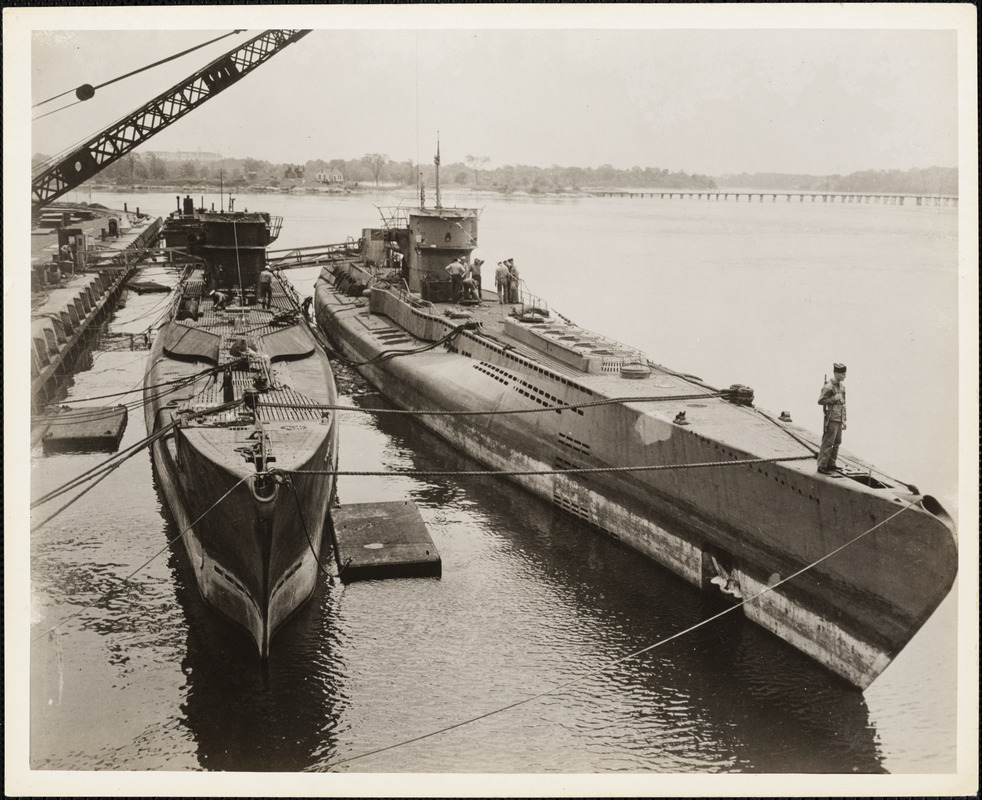
A Minelayer Bound for Japan
U-234 was a big German minelaying submarine, converted to carry cargo. According to a Navy interrogation report, she left Kiel late on March 25, 1945, and sailed from Kristiansand, Norway, on April 15, on her first and last patrol.
Officially she was headed for Japan, but the same report says her commanding officer, Johann Heinrich Fehler, told his crew he was convinced they would never get there. Pretty grim way to start a voyage, right?
The Portland Sunday Telegram reported nine passengers arriving with the submarine, apart from her crew. That was the surviving group, not the total who had set out: the two Japanese officers had died before the Americans took custody of the boat.
The most conspicuous passenger was Gen. Ulrich Kessler, a former German Atlantic air commander. Period reports said the boat carried German aviation plans and equipment. The Navy interrogation report described the cargo stowed in her keel as mainly mercury and optical glass, rather than giving a complete inventory of everything aboard.
And then there were the two Japanese officers. A Navy interrogation report later named them as Lt. Cdr. Hideo Tomonaga and Lt. Cdr. Genzo Shoji of the Japanese Navy, who came aboard at Kiel.
Surrender in the Middle of the Atlantic
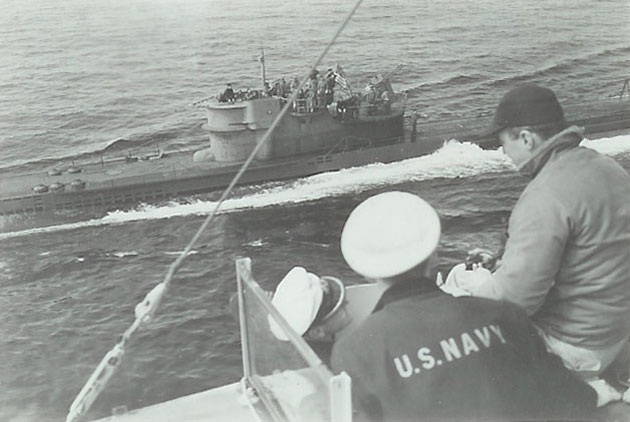
Germany had surrendered, and the voyage to Japan was over. On May 14, 1945, U-234 gave herself up to the destroyer escort USS Sutton in the open Atlantic east of Newfoundland. The surrender happened at sea, not at the Navy Yard.
Sutton’s war diary records the American boarding on the following morning, May 15. The Americans transferred 37 prisoners to Sutton, including Fehler and Kessler. That separates the surrender, the boarding and the later arrival in Kittery, which the early reports sometimes blurred together.
The two Japanese officers were already gone. Sutton’s diary says their bodies had been disposed of before capture; the later interrogation report dates their burial at sea to May 11. They were not among the prisoners brought ashore in Kittery.
The early newspaper accounts were confused about this. The AP’s first story from Portsmouth said U-234 came in carrying the bodies, while the Portland paper reported they were not aboard. Navy public relations officers refused to comment when reporters asked about them.
A Press Tug Off the Isles of Shoals
Sutton brought U-234 to Portsmouth on May 19, 1945, five days after the surrender, and handed the boat and her prisoners over to the First Naval District. By then, Kessler had already been removed from the submarine. The prisoners made the final trip to the pier aboard Coast Guard vessels.
By then the yard was getting used to this. U-234 was the fourth German U-boat to come in to Portsmouth in five days, after U-805, U-873 and U-1228. The AP noted the crews of those three had refused to talk with newsmen.

It was a long way from Nov. 29, 1944, the night two Nazi spies came ashore from a submarine at Hancock Point on Frenchman’s Bay, 35 miles southeast of Bangor. This time the U-boats were coming in to give up.
The press turned out in force. The AP said the arrival drew the largest group of newsmen and photographers at the Navy Yard since the submarine Squalus sank near the Isles of Shoals in 1939.
Reporters rode a Navy press tug out to meet U-234 off the Isles of Shoals that morning. The only woman aboard, the Portland paper noted, was the New York writer Inez Robb. Navy officers who boarded the submarine in Portsmouth Harbor told the paper the U-boat’s crew cooperated fully when questioned.
In the harbor, two Coast Guard craft carried the German prisoners up the river to the Navy Yard pier. Rough seas held up the landing about two hours, and the submarine’s men had to sit with their arms crossed on the way in.
Marines on the Pier
Security on shore was tight. A large detail of Marines under Col. Fred G. Patchen, commanding officer of the Portsmouth Marine Barracks, kept the newsmen back as the Germans walked to buses waiting on the pier.
The International News Service (INS) reporter didn’t think much of what he saw:
With the exception of Kessler and a handful of other Nazi officers, the enlisted crew of the sub was a dirty, mangy looking lot. American marines with submachine guns looked at them with no effort to disguise their contempt.
And the commandant of the yard had his own review:
Admiral Thomas Withers, commandant of the Portsmouth naval yard, snorted: “They all need a haircut and a bath.”
Ha! Kessler was another story. INS called him “a swaggering Luftwaffe officer,” and he came off the Coast Guard boat looking sharp.
But not Kessler. He was the spit-and-polish picture of a Hollywood luftwaffe officer and a Nazi gent. As he left the coast guard vessel which brought ashore the crew and passengers, he wore a beautifully tailored uniform of luftwaffe gray. His long, form-fitting overcoat was fastened with rows of gleaming buttons, and belted tightly.
At the head of the gangplank, Kessler stopped and gave Fehler a snappy salute, the Portland paper reported. Then he came ashore almost in front of Rear Adm. Thomas Withers and flashed the commandant a cheery smile. Withers didn’t acknowledge it.
Kessler didn’t stay long. Within 15 minutes of landing, Kessler and the other passengers were whisked off to Boston and flown to Washington, D.C., according to the Portland Sunday Telegram.

The Lieutenant from Maine
The best moment of the day belonged to Lt. Charles Winslow of the Coast Guard, a Maine man who commanded the vessel that brought the passengers ashore. INS said he was from West Southport.
Fehler, the U-234 skipper, had a complaint for Winslow, and here’s how INS told it:
“Your men treated us like gangsters,” Fehler snarled in German, which an interpreter quickly translated for Winslow. The lieutenant, red with rage, replied: “That’s what you are.”
And then, with an angry wave of his arm, INS reported, Winslow added two warning words: “Get off.” Nobody messes with a Coast Guard lieutenant from Maine on his own boat.
The Portland Sunday Telegram caught the exchange in slightly different words, and it says the German skipper turned and strode down the gangplank to the Navy Yard pier. Its photographer got Winslow standing behind Kessler as the general came ashore.
What Happened Next
According to the AP, the crew was headed for the Portsmouth Naval Prison, where crewmen of the other U-boats were already confined.
That same day, there was another death. U-873’s commander, Fritz Steinhoff, died in a Boston hospital on May 19 after fatally injuring himself while held in jail. A contemporary AP report distinguished the hospital death from the injuries in custody.
His boat had surrendered to the destroyer escort Vance on May 11, 1945. U-805 had given up to the Varian, which met her on May 12, 1945, and U-1228 surrendered to the Neal A. Scott and arrived at Portsmouth on May 17, 1945.
And U-234? The Navy ended up using her as a target. On November 20, 1947, the U.S. submarine Greenfish torpedoed and sank her about 40 miles northeast of Cape Cod.

The yard where she came in is still there on Seavey Island in Kittery. Established in 1800, the Portsmouth Naval Shipyard remains an active Navy yard, and it overhauls and modernizes submarines to this day (as of 2026).
Liked this one? Get more tomorrow.
Lost Maine stories in your inbox most mornings: the newest, plus a few from the archive.
 Why Was Bar Harbor Called Eden? The Town’s 1918 Name Change
 Matinicus Island: 14 Things You Didn’t Know About Maine’s Most Remote Island
Free. Unsubscribe anytime.
AI assisted editing and source review. The featured archival photograph was cropped and colorized with AI. Colors are interpretive, not verified historical colors. The original black-and-white photograph is retained in the article. Here’s how we use AI.Suggest a correction